Planning an event can feel like navigating a maze. With so many details to manage, understanding your equipment needs is crucial for creating an unforgettable experience. As you embark on this journey, consider how the right tools and resources can simplify your process and enhance your event.
What You Will Learn
- How to establish a comprehensive framework for assessing your event equipment needs based on the type of event and audience size.
- The essential equipment categories that can ensure smooth execution, including seating, lighting, audio-visual equipment, and decor.
- Key factors to consider when evaluating rental vendors, such as reliability, customer reviews, and insurance coverage.
- The importance of effective budgeting and planning, with strategies for tracking expenses and comparing vendor options.
- Best practices for creating an event planning checklist that covers all aspects from equipment needs to logistics.
Essential Equipment Categories for Event Planning
Understanding the key equipment categories needed for various events helps streamline the planning process. Below is a concise overview of common categories essential for successful event execution. For more detailed guidance, explore our article on key equipment for event planning.
Seating and Tables
Having the right seating arrangement is crucial for guest comfort and interaction during any gathering.
Lighting
The right lighting sets the mood and enhances the venue's aesthetics, creating an inviting atmosphere.
Audio-Visual Equipment
Essential for presentations and entertainment, AV equipment ensures all content is showcased effectively.
Decor
Personalizing the space through decor creates a unique environment that resonates with guests' experiences.
Understanding Your Event Equipment Needs
Planning an event can feel overwhelming, especially when it comes to figuring out your equipment needs. At Elegant Events, we believe that a solid understanding of what you require is key to executing a memorable event. Whether you're organizing a charming wedding or a large corporate conference, the equipment you choose shapes the entire experience. So, let’s dive into how to assess what you need!
Establishing a Comprehensive Equipment Needs Assessment Framework
The first step in determining your equipment needs is to create a comprehensive assessment framework. This involves a few essential steps:
- Identify the type of event you’re hosting.
- Determine the expected audience size.
- Consider the venue layout and available resources.
By gathering this information, you can develop a clear picture of what equipment will be necessary. Remember, each event is unique, and having a tailored approach ensures no detail is overlooked, allowing your vision to come to life!
Identifying Equipment Requirements Based on Event Type and Audience Size
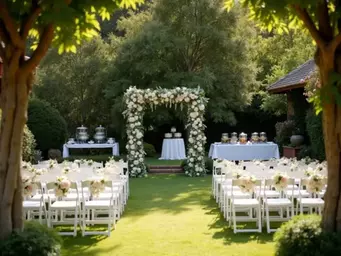
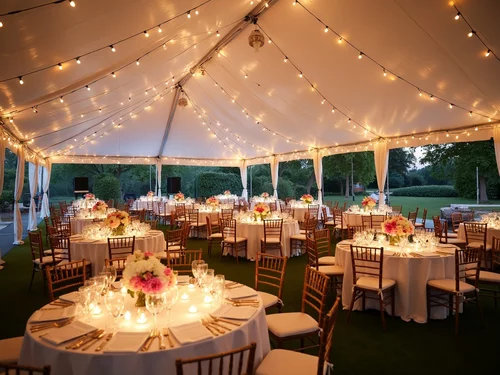
Different types of events call for different equipment. For example, a wedding might need decorative lighting and seating arrangements, while a corporate event may require AV technology and presentation screens. To get started, consider these points:
- Weddings: Tables, chairs, linens, sound systems, and lighting. For more tips on wedding planning, see our simple steps for wedding planning.
- Corporate events: Projectors, microphones, staging, and seating arrangements.
- Private gatherings: Casual seating, games, and entertainment equipment.
Understanding the specific needs of your event type can help streamline your planning process. It’s all about creating an atmosphere that resonates with your guests!
Common Equipment Categories for Different Events
As you assess your needs, it’s beneficial to consider the common equipment categories that are essential for smooth event execution. Here are some categories to keep in mind:
- Seating and Tables: For any gathering, having the right seating plan is crucial.
- Lighting: Sets the mood and enhances the venue's aesthetics.
- Audio-Visual Equipment: Important for presentations and entertainment.
- Decor: Personalizes your space and creates a unique environment.
By categorizing your equipment needs, you can ensure that every aspect of your event is thoughtfully planned and executed!
Event Equipment Rental Options: A Breakdown of Categories
Once you know what you need, it’s time to explore rental options. Most rental companies offer a variety of equipment, which can be grouped into the following categories:
- Furniture Rentals: Tables, chairs, and lounge furniture.
- Audio-Visual Equipment: Sound systems, microphones, and screens.
- Lighting Rentals: Uplighting, string lights, and spotlights.
- Decor Items: Centerpieces, linens, and backdrops.
By breaking down your equipment rental options, you can easily compare services and find what best suits your needs. Don't hesitate to ask for recommendations; at Elegant Events, we are always here to guide you in making informed choices!
Pro Tip
When planning your event, consider incorporating a contingency plan for equipment failures. Having backup options, such as extra sound equipment or alternative lighting, can save you from last-minute stress and ensure your event runs smoothly, regardless of unforeseen circumstances!
Summarizing Key Considerations for Hiring Event Equipment
As we wrap up our discussion on hiring event equipment, it’s crucial to reflect on the key factors that can make or break your event's success. Whether you’re organizing a wedding, a corporate conference, or a private gathering, understanding your equipment needs is vital. I often remind my clients at Elegant Events that proper planning and attention to detail can elevate an ordinary event into an extraordinary experience!
When selecting equipment and evaluating rental vendors, keep these essential factors in mind:
- Define your equipment requirements based on the event type and audience size.
- Assess potential rental companies for reliability, customer reviews, and insurance coverage.
- Conduct venue walkthroughs to ensure your chosen equipment fits seamlessly into the space.
- Budget effectively across categories and make informed choices between premium and standard options.
Recap of Essential Factors in Equipment Selection and Vendor Evaluation
In summary, the journey of planning your event involves several layers of decision-making. It starts with a thorough assessment of what equipment you need, followed by careful vendor evaluation. As I’ve seen in my years at Elegant Events, this process not only impacts your budget but also influences the overall guest experience!
Here’s a quick recap of what to keep in mind:
- Understand your audience and tailor equipment choices accordingly.
- Prioritize vendors with strong reputations and proven track records.
- Review rental agreements and pricing structures carefully, ensuring clarity on all terms.
By focusing on these essential factors, you set the stage for a successful event that aligns with your vision and exceeds expectations.
Final Thoughts on Effective Planning and Budgeting for Events
Effective planning and budgeting are the cornerstones of a successful event. It’s not just about having the right equipment; it’s about how well you manage your resources to create unforgettable experiences for your guests. Remember, each dollar spent should bring you closer to achieving your event goals!
In my experience, one of the best strategies is to always keep an open line of communication with your vendors. This allows for flexibility and problem-solving as you navigate any challenges that arise. After all, a well-executed plan can turn a good event into a great one!
Taking Action: Next Steps for Event Equipment Hiring
Now that you’re equipped with knowledge, it’s time to take action! Transitioning from planning to execution can feel daunting, but with the right tools and resources, you can confidently approach the equipment hiring process.
Consider utilizing these tools:
- Vendor comparison templates to streamline your selection process.
- Budgeting worksheets that help track your spending across categories.
- Event planning checklists to ensure no detail is overlooked.
Utilizing Tools and Templates for Vendor Comparison and Budgeting
Using tools and templates can simplify your planning, making it more efficient and enjoyable! I often recommend creating a customized comparison chart for rental companies. This can highlight their offerings, pricing, and reviews, allowing for a side-by-side analysis.
Moreover, a well-structured budget is essential. Ensuring that you allocate funds appropriately can help minimize stress as the event date approaches. A simple budgeting template can keep you on track, allowing for adjustments as needed! For tips on managing event finances, read our guide on wedding reception budgeting tips.
Encouraging Engagement Through Event Planning Resources
To further enhance your planning journey, seek out engaging resources that can provide valuable insights! Online forums, industry articles, and networking groups can all serve as avenues for advice and shared experiences. It’s a great way to connect with fellow event planners, gaining tips that could make a significant difference.
Don’t hesitate to reach out to professionals, including myself at Elegant Events, if you have questions or need personalized guidance. I love helping clients find clarity in their planning process!
Creating an Event Planning Checklist for Comprehensive Preparation
Finally, a comprehensive event planning checklist is a game-changer! This should cover everything from initial planning stages to day-of execution. Here are some essential components to include:
- Equipment needs and specifications.
- Vendor contact information and agreements.
- Logistics such as delivery times and setup details.
- Backup plans for potential issues.
Incorporating these elements into your checklist ensures that you’re well-prepared and can adapt on the fly. Remember, preparation is key to a successful event that wows your guests! For a detailed guide on event logistics, check out our article on mastering event logistics.
Frequently Asked Questions About Event Equipment
- Q1: How do I determine the right equipment for my event?
- A1: Start by establishing a comprehensive assessment framework. Identify the event type (e.g., wedding, corporate conference, private gathering), determine the expected audience size, and consider the venue layout and available resources. Different events require different equipment, so tailor your choices accordingly.
- Q2: What are the essential equipment categories for event planning?
- A2: Key categories include Seating and Tables (for guest comfort), Lighting (to set the mood), Audio-Visual Equipment (for presentations and entertainment), and Decor (to personalize the space and create a unique environment).
- Q3: What factors should I consider when choosing an event equipment rental vendor?
- A3: When evaluating rental vendors, prioritize reliability, check customer reviews, and verify their insurance coverage. It's also important to conduct venue walkthroughs to ensure the chosen equipment fits seamlessly into the space and to budget effectively across all categories.
- Q4: Why is budgeting important for event equipment hire?
- A4: Effective budgeting helps you manage resources, track expenses, and make informed choices between premium and standard options. A well-structured budget minimizes stress and ensures that each dollar spent brings you closer to achieving your event goals.
- Q5: How can a comprehensive event planning checklist help me?
- A5: A comprehensive checklist is a game-changer! It covers everything from initial planning stages to day-of execution, including equipment needs, vendor contact information, logistics, and backup plans. This ensures you are well-prepared and can adapt to unforeseen circumstances, leading to a successful event.
Recap of Key Points
Here is a quick recap of the important points discussed in the article:
- Establish a comprehensive assessment framework by identifying the event type, audience size, and venue layout.
- Different events require different equipment: weddings need decorative lighting and seating, while corporate events necessitate AV technology and presentation tools.
- Categorize your equipment needs into seating, lighting, audio-visual, and decor to ensure thorough planning.
- Explore rental options across furniture, audio-visual equipment, lighting, and decor items for the best fit for your event.
- When hiring, prioritize vendors with strong reputations, conduct thorough venue walkthroughs, and budget effectively across all categories.
- Utilize tools like vendor comparison templates, budgeting worksheets, and event planning checklists to streamline the planning process.
- Engage with online resources and professionals for additional insights and support throughout your event planning journey.